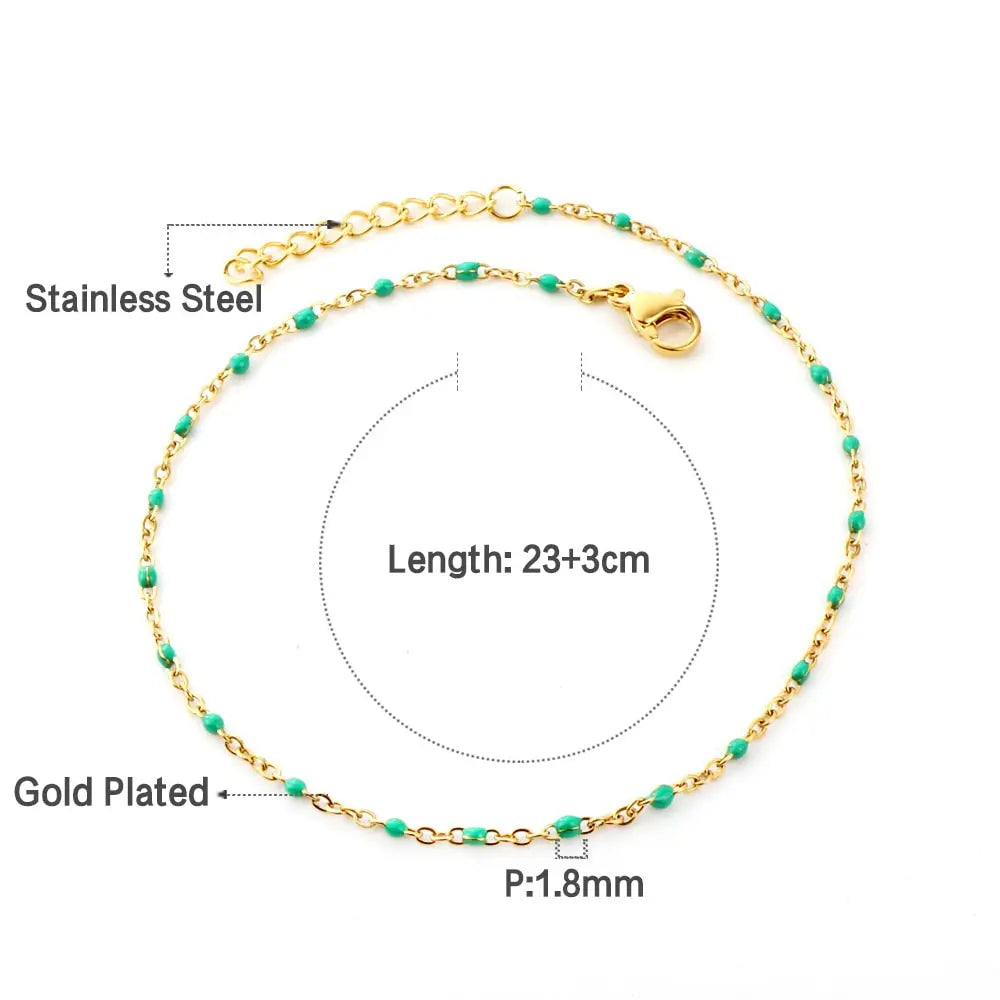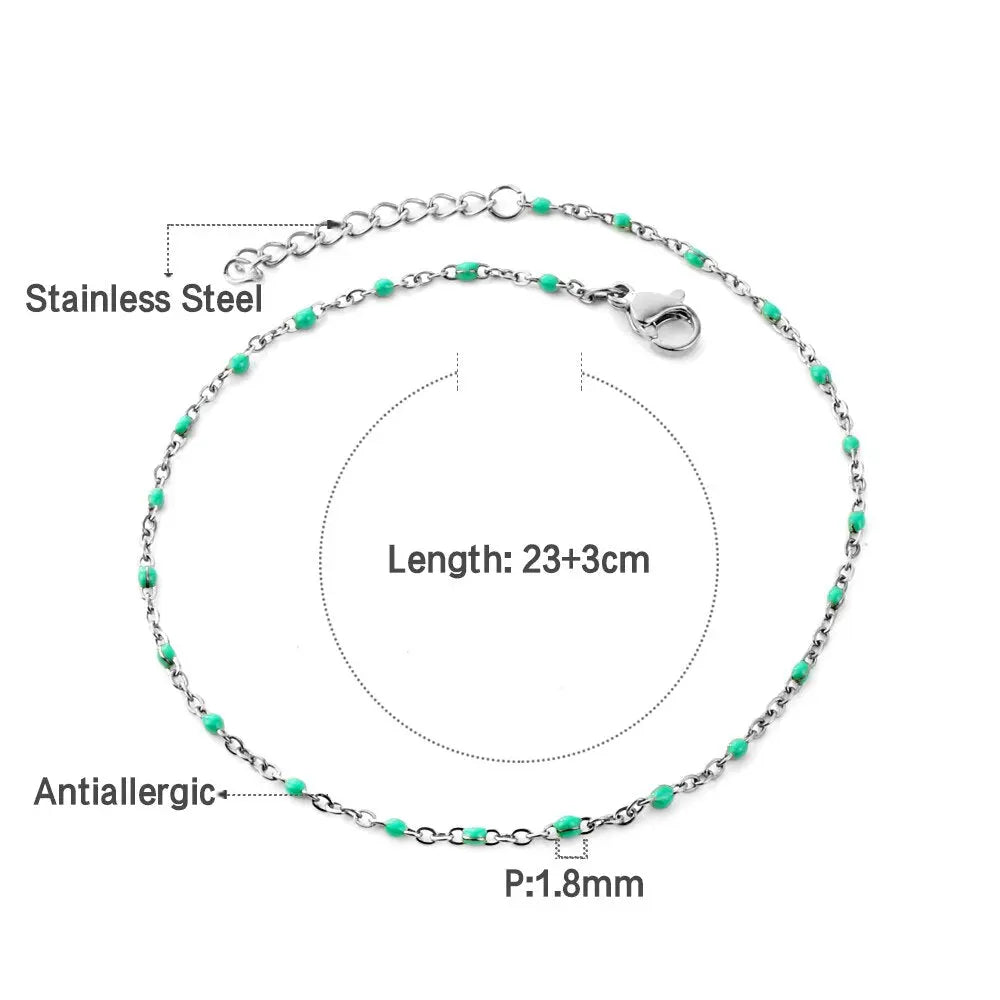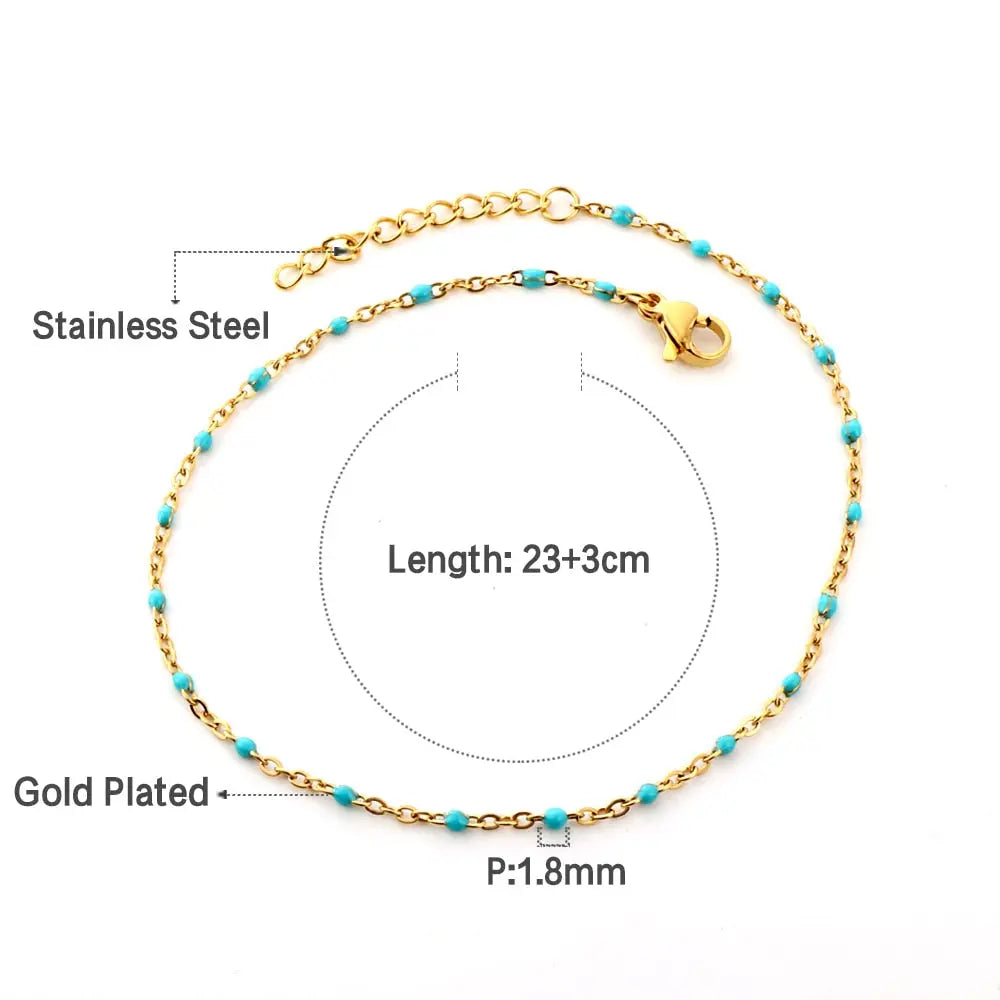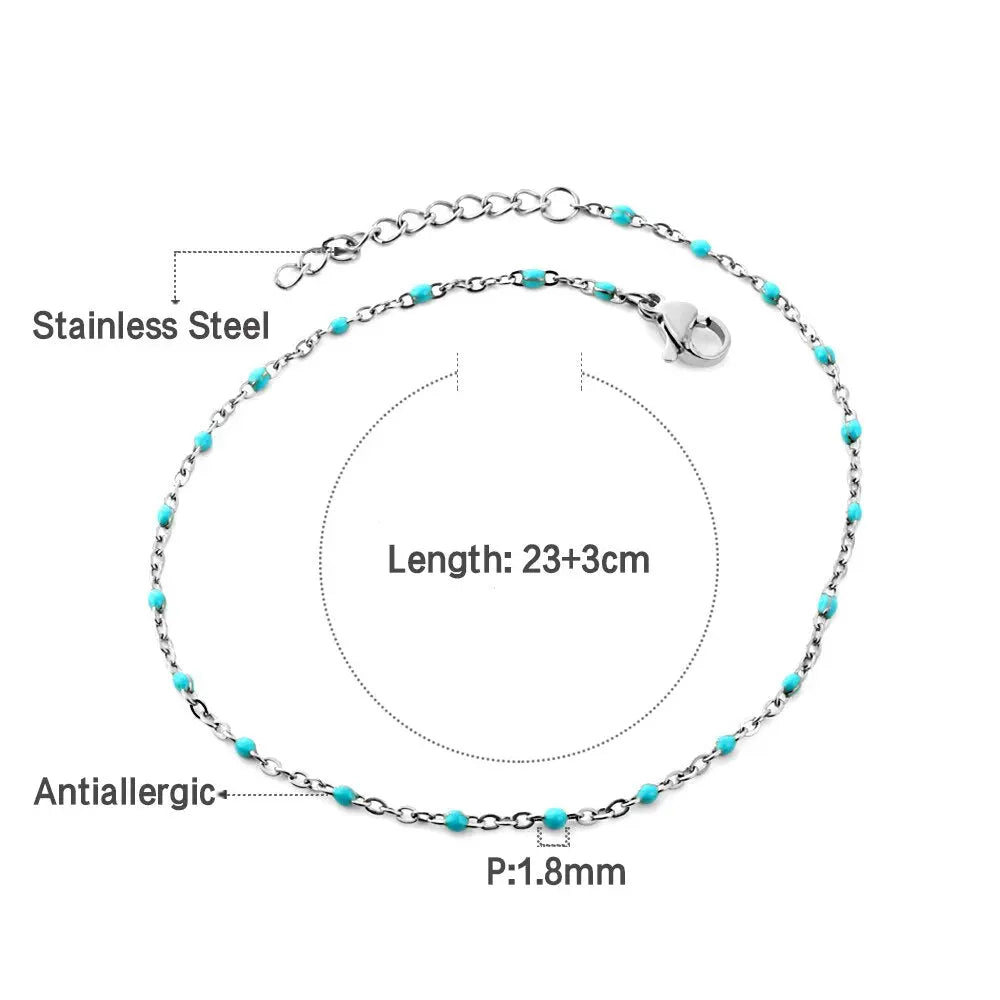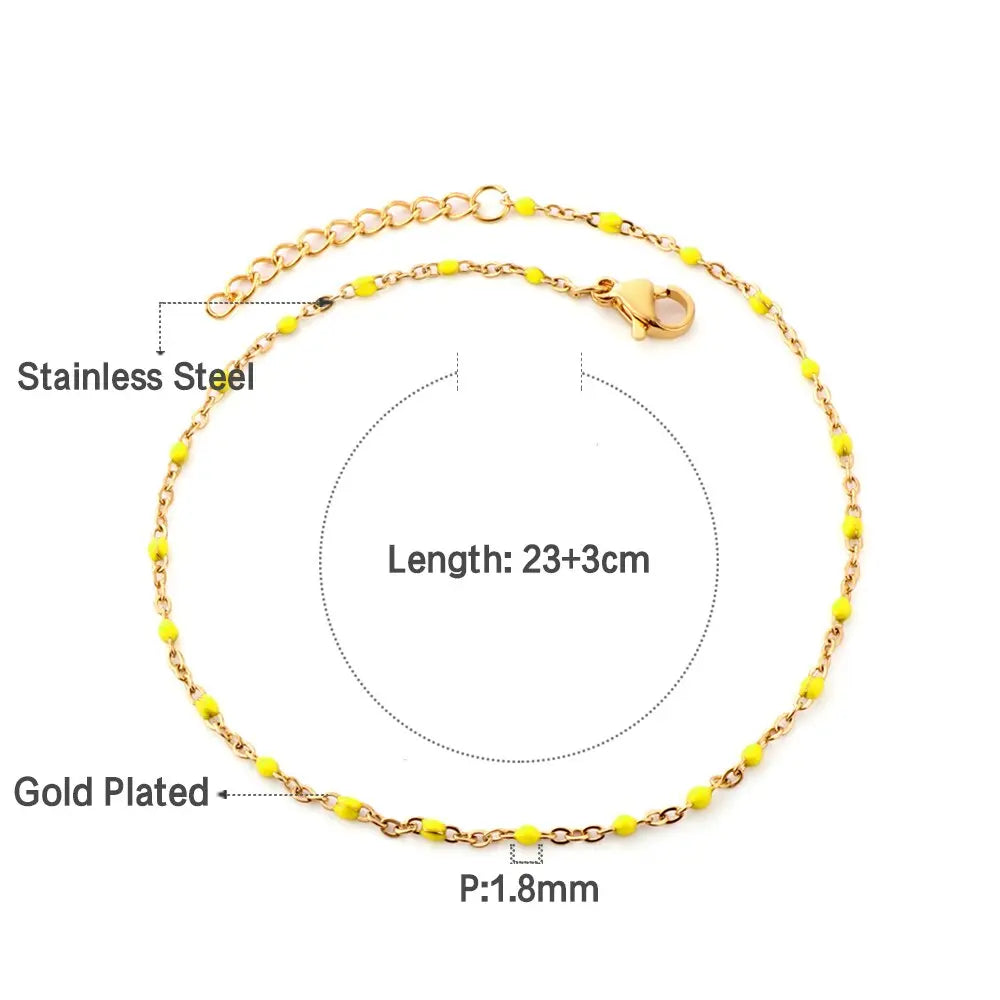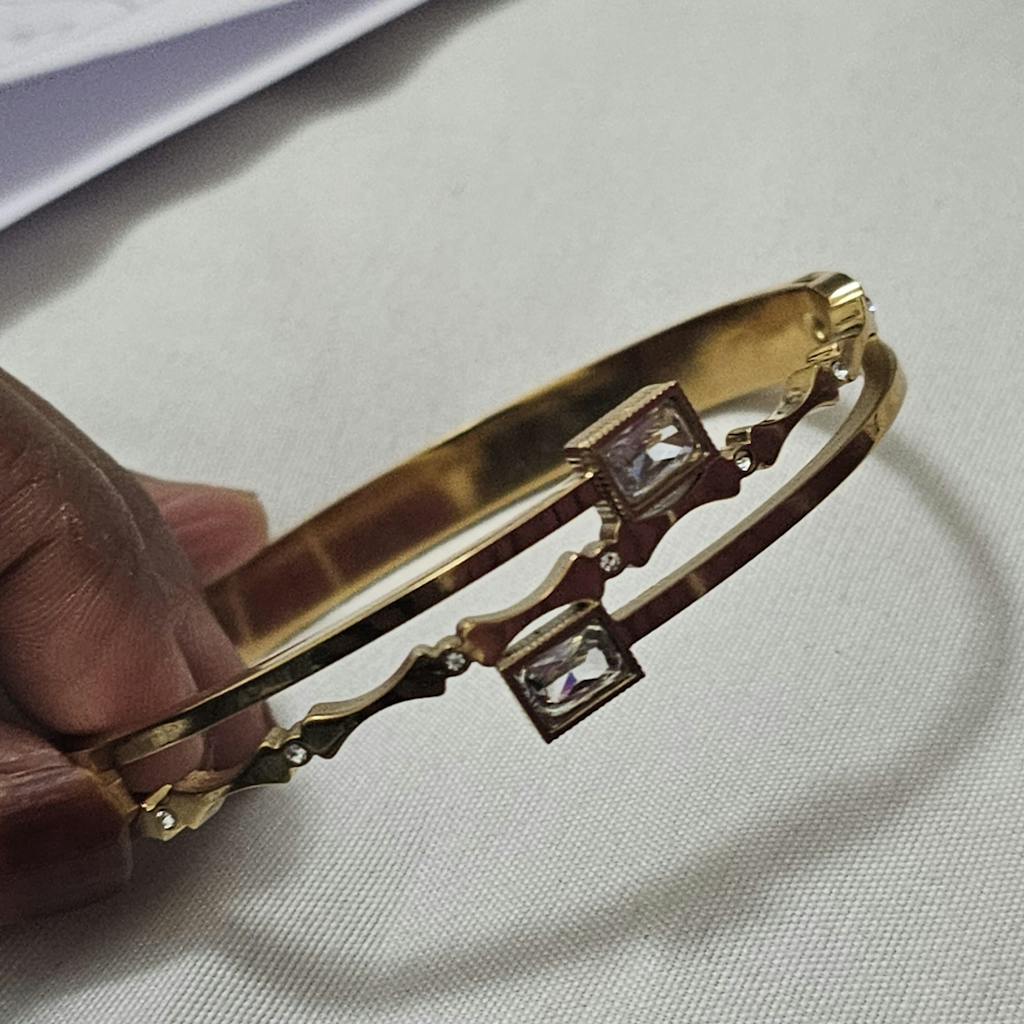

What is PVD Coating?
PVD (Physical Vapor Deposition) is an advanced surface treatment technology. By evaporating or sputtering metal materials in a high-vacuum environment, it deposits them in the form of atoms or molecules onto the jewelry surface, forming an extremely thin yet highly durable coating.
Compared with traditional electroplating, PVD coating offers the following advantages:
- Stronger Adhesion: The coating bonds more tightly to the substrate
- Higher Wear Resistance: Resistant to scratches from daily wear
- More Uniform Coverage: Full coverage is achieved even for intricately designed pieces
- Environmentally Friendly Process: Reducing the Use of Harmful Chemicals

Unveiling Karat Gold: The Essential Differences Between 14K, 18K and 24K
To understand the value of PVD coating, we first need to get to know its inspiration—karat gold. In the karat gold system, the letter "K" stands for "Karat", which is a unit of measurement for gold purity.
24K Gold: The Soft Radiance of Pure Gold
24K gold contains 99.9% pure gold, making it the purest form of gold available. It boasts a uniquely rich, deep yellow hue that exudes warmth and luxury. However, pure gold has a Mohs hardness rating of only 2.5–3, which is barely harder than a human fingernail (rated at 2.5). This softness makes it highly prone to scratches and deformation, rendering it unsuitable for crafting jewelry intended for everyday wear.
18K Gold: The Perfect Balance Between Luxury and Practicality
18K gold consists of 75% pure gold and 25% other metals (such as copper, silver, palladium or zinc). This alloy ratio significantly enhances its hardness while retaining the key characteristics of gold. Depending on the types of metals added, 18K gold can come in three popular hues:
- 18K Yellow Gold (Classic Tone)
- 18K White Gold (Palladium or nickel added, often rhodium-plated for enhanced brightness and luster)
- 18K Rose Gold (with a relatively high proportion of copper added)
18K gold strikes the perfect balance between luxury and practicality, making it one of the most commonly used materials for high-end jewelry.
14K Gold: A Practical Choice for Daily Wear
14K gold is composed of 58.3% pure gold and 41.7% other metals, which further enhances its hardness and durability. Though its color is less rich than that of 18K gold, it boasts higher hardness, better resistance to daily wear and tear, and a more budget-friendly price point, making it an ideal choice for everyday jewelry pieces.

How thick is the PVD gold plating on jewelry usually?
PVD gold plating thickness varies by application, but for decorative items like jewelry, it's often very thin, around 0.03 to 0.08 microns, while for more durable industrial or functional uses, it can range from 1 to 5 microns, with thicker coatings offering better wear resistance but potentially impacting fine detail. Generally, PVD layers are denser and harder than traditional electroplating. Providing excellent durability.
Typical Thickness Ranges:
- Jewelry/Fashion (Decorative): 0.03-0.08 microns (or up to 0 3 microns for better wear)
- Industrial/Functional: 0.3-5 microns (thicker for high-wear parts)
Key Factors Influencing Thickness:
- Application: Jewelry needs less thickness for aesthetics, while tools need more for hardness
- Durability: Thicker coatings (e.g, 2-3 microns) offer significantly better scratch and tarnish resistance
- Base Material: PVD works well on stainless steel, titanium, and other hard substrates

Beyond Gold: The Vibrant World of PVD Coating
The charm of PVD technology is not limited to imitating gold. By precisely controlling process parameters and using different metal targets, PVD can create stunning color diversity:
- Rose Gold Tone: Achieved by adjusting the ratio of titanium nitride to copper
- Gunmetal Tone: Created with titanium carbide or zirconium nitride for a modern dark finish
- Rainbow Effect: Creating Iridescent Colors on the Surface Using the Principle of Light Interference
- Two-tone and Multi-tone Effects: Achieving Multiple Metallic Hues on a Single Jewelry Piece via Masking Technology
This color diversity grants designers unprecedented creative freedom, freeing jewelry from the constraints of the natural hues of traditional metals.
Eternal Radiance: Care Tips for PVD-Plated Jewelry
While PVD coatings are extremely durable, proper maintenance can significantly extend their lifespan of beauty:
- Establish a Wearing Sequence: Put on your jewelry last and take it off first to minimize contact time with cosmetics and perfume
- Gentle Cleaning: Clean with a soft cloth and mild soapy water; avoid abrasive cleaners
- Smart Storage: Store each jewelry piece individually to avoid scratching against each other
- Professional Inspection: Have your jewelry inspected by a professional once a year, especially pieces with inlaid gemstones
Special Note: Avoid exposing PVD-plated jewelry to extreme temperatures or strong chemicals, such as chlorinated water (swimming pools) or strong acid cleaners.