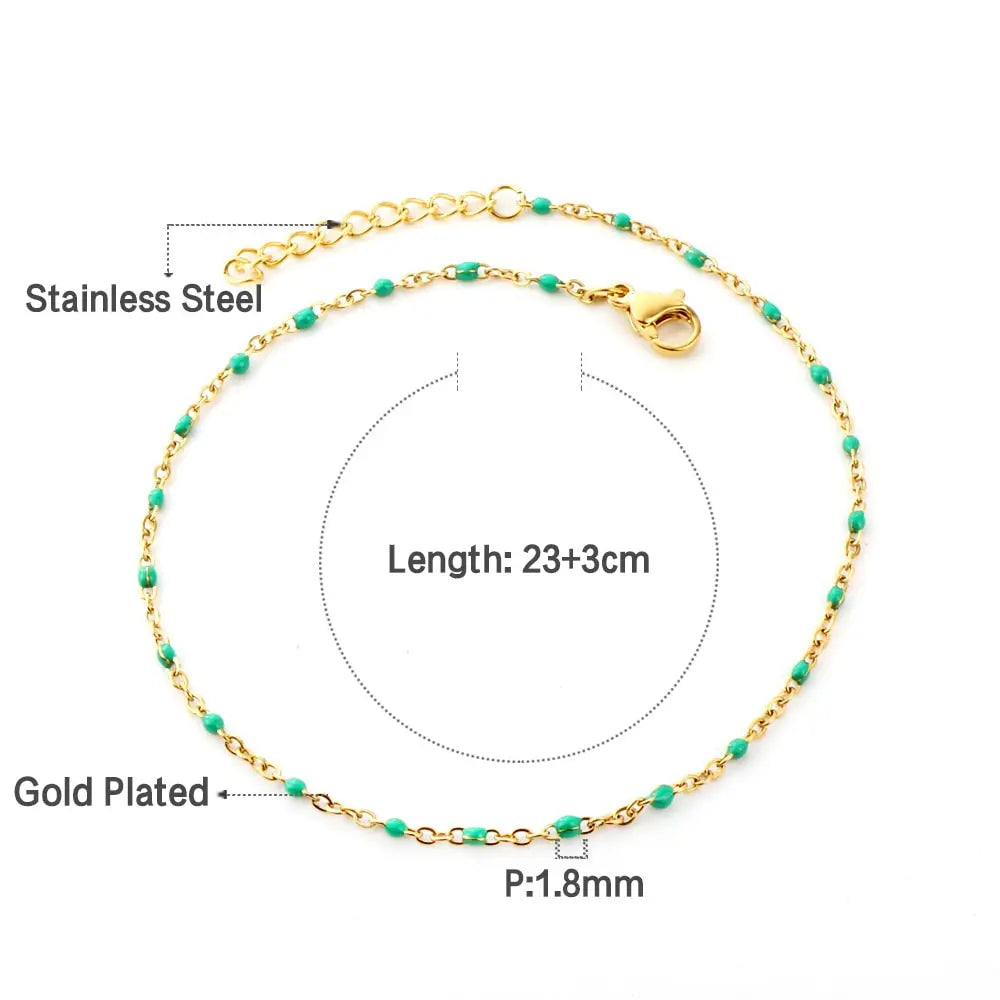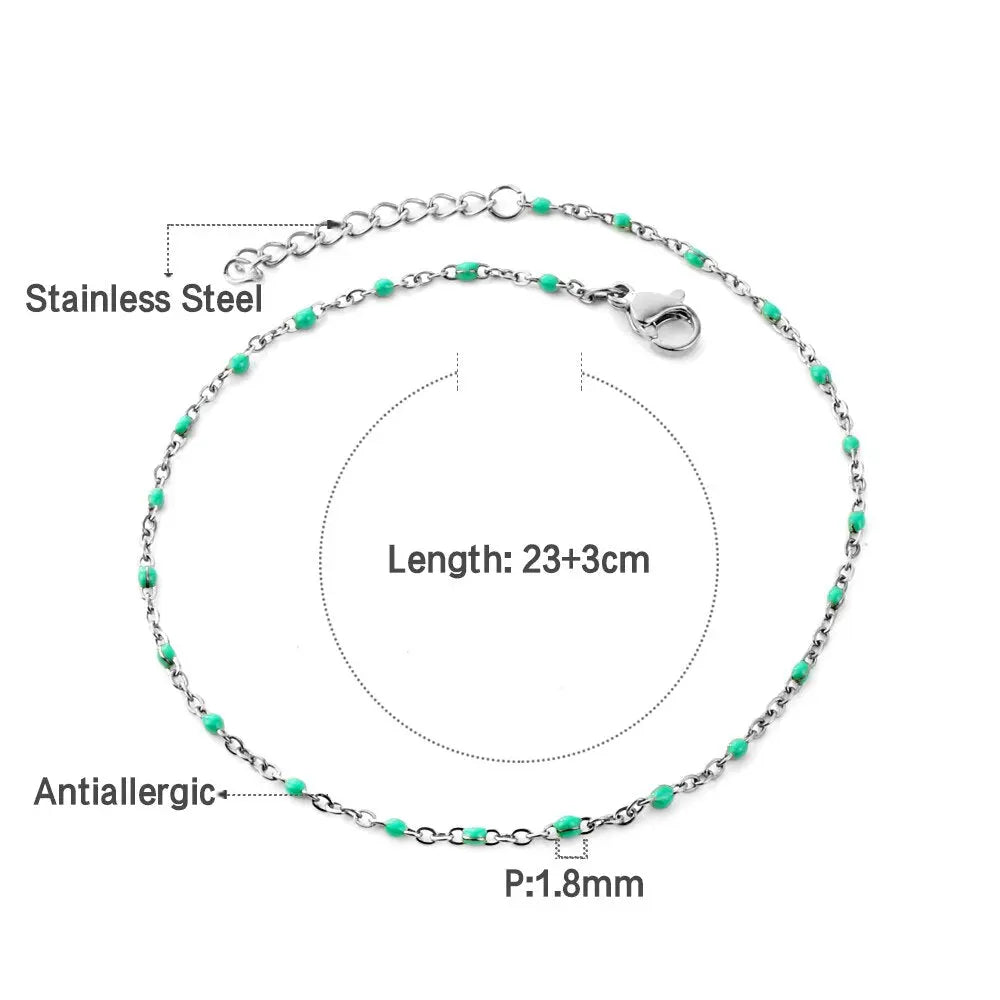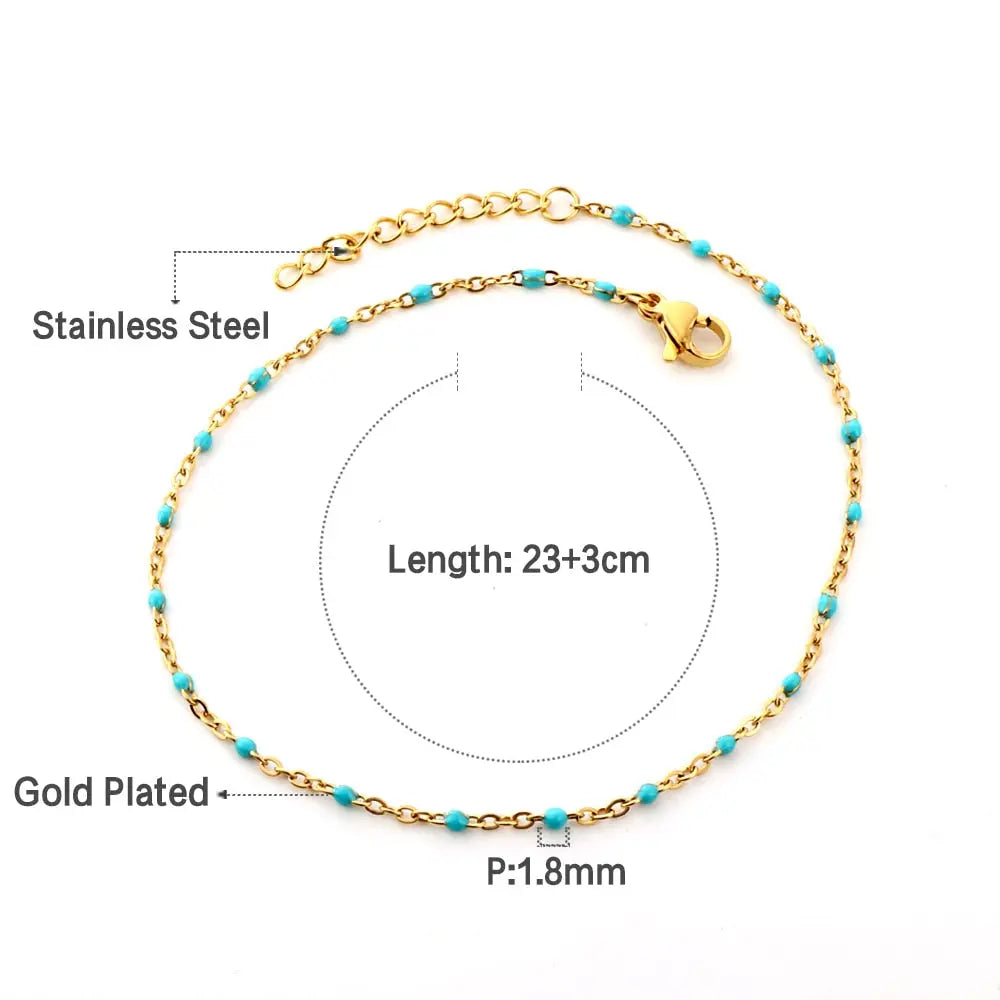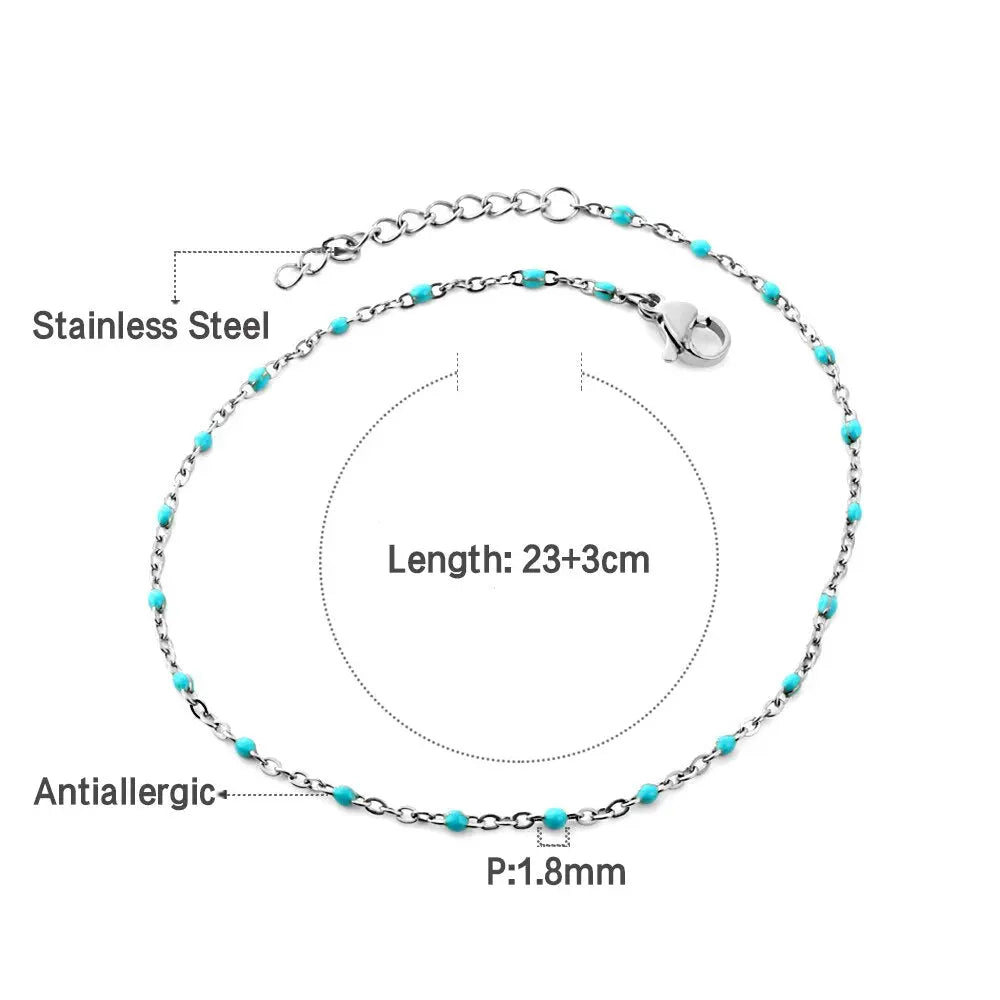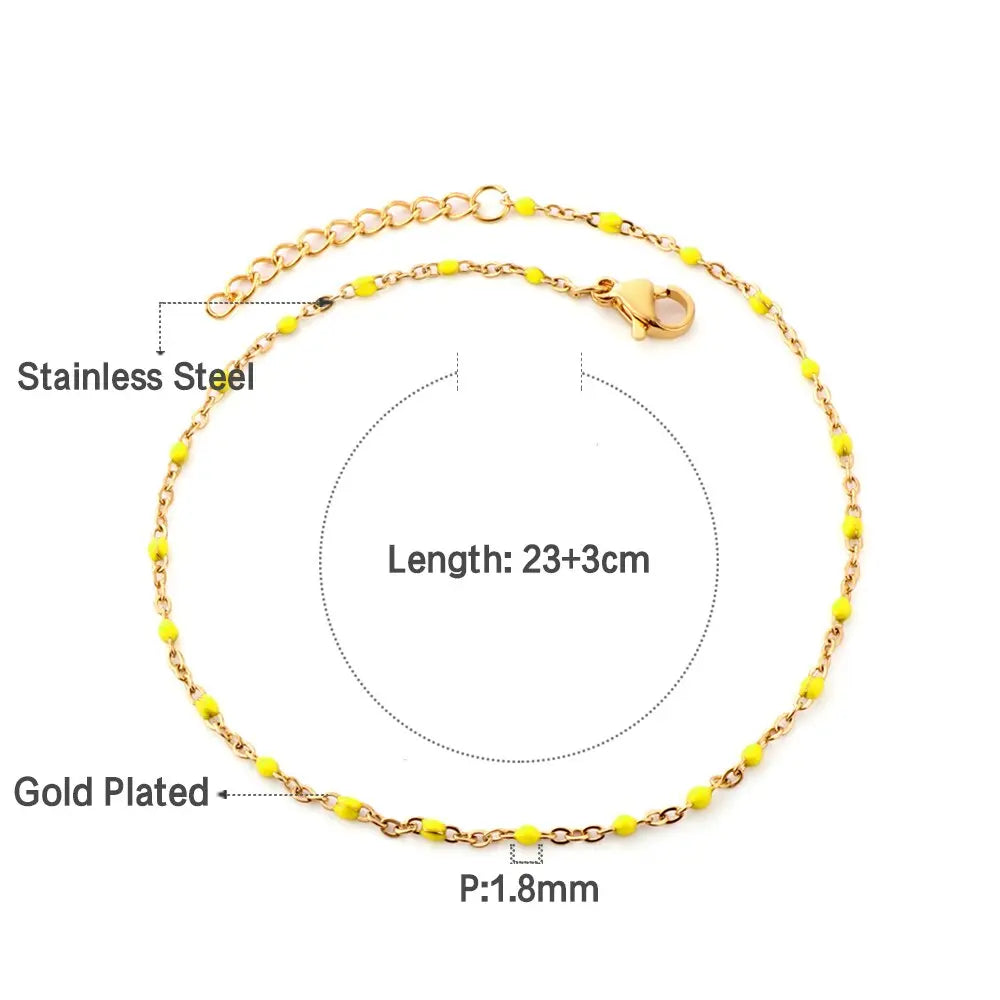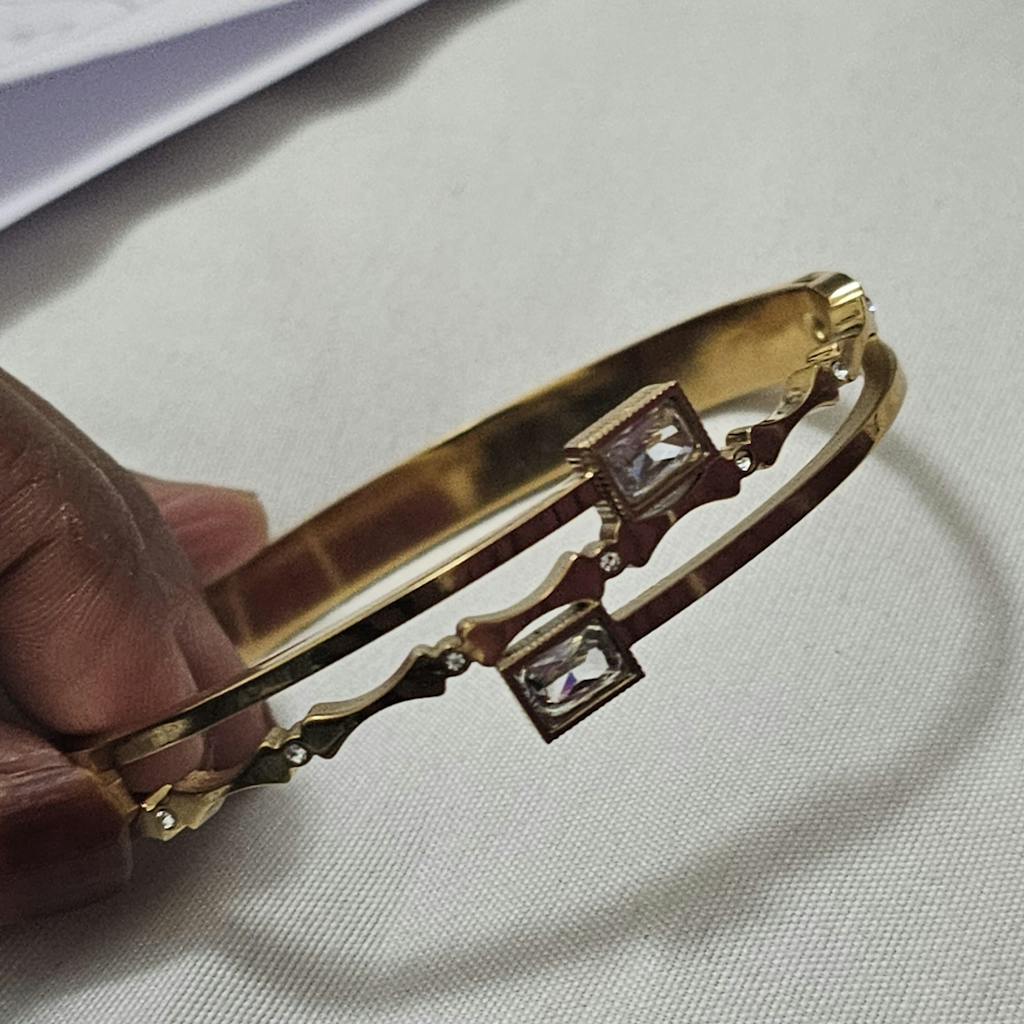

Choosing the right metal for jewelry, watches, or everyday accessories can be surprisingly complex. Each metal brings its own personality, strengths, and quirks to the table. Whether you’re shopping for a timeless piece, a durable daily wear item, or a meaningful gift, understanding these materials is key. Let’s dive into the ultimate showdown between three heavyweights: stainless steel, titanium, and sterling silver.

Stainless Steel: The Everyday Champion
The Basics:
Stainless steel is an alloy primarily composed of iron, chromium (at least 10.5%). The chromium creates an invisible, protective oxide layer that makes it highly resistant to rust and corrosion.
Why It Shines:
- Durability & Strength: Almost impossible to scratch, dent, or deform under daily stress. It’s the workhorse.
- Hypoallergenic: Surgical-grade stainless steel (often 316L) is excellent for sensitive skin, as it contains minimal nickel.
- Low Maintenance: It doesn’t tarnish, requires no special polishing, and cleans easily with soap and water.
- Affordability: Offers exceptional value, providing a high-end look without the luxury price tag.
- Modern Aesthetic: Has a cool, bright gray sheen that looks sleek and contemporary.
Considerations:
It’s heavy compared to titanium. While versatile, it lacks the classic precious metal prestige.
Best For:
Everyday watches, durable jewelry (like bracelets and rings for active lifestyles), kitchenware, and tools. It’s the practical, no-fuss choice.
Titanium: The Featherweight Powerhouse
The Basics:
Titanium is a chemical element, not an alloy. In its pure form, it’s remarkably strong for its weight and naturally resists corrosion from seawater and chlorine.
Why It Soars:
- Incredible Strength-to-Weight Ratio: As strong as steel but about 45% lighter. Exceptionally comfortable for large pieces or all-day wear.
- Hypoallergenic & Biocompatible: Pure titanium is inert and is the top choice for those with severe metal allergies (think medical implants).
- Corrosion King: Unmatched resistance to rust and tarnish, even in harsh environments.
- Modern & Tactile: Has a distinctive dark gray, matte finish that feels modern and technical.
Considerations:
It’s more expensive than stainless steel. Its hardness makes it difficult to resize, which can be a drawback for rings. The color is darker and less shiny than polished steel.
Best For:
Wedding bands for active people, lightweight eyewear frames, high-performance sports watches, and aerospace/medical applications. It’s the high-tech, adventure-ready choice.
Sterling Silver: The Classic Beauty
The Basics:
Sterling silver is a precious metal alloy made of 92.5% pure silver and 7.5% other metals (usually copper) for added strength.
Why It Captivates:
- Timeless Value & Beauty: Has a warm, luminous white luster that is unmistakably precious and classic.
- Versatile & Workable: Relatively soft, making it ideal for intricate designs, gemstone settings, and handcrafted jewelry. Easy for jewelers to resize and repair.
- Intrinsic Value: Has inherent commodity value as a precious metal.
- Hypoallergenic: Pure silver is hypoallergenic, though some can react to the copper alloyed in sterling.
Considerations:
- Tarnishes: Will react with sulfur in the air and develop a dark patina over time, requiring regular polishing.
- Softer: More prone to scratches and dents than steel or titanium.
- Higher Price Point: More expensive than stainless steel, though often less than pure titanium.
Best For:
Heirloom-quality jewelry, statement pieces, traditional and artistic designs, and occasions where classic elegance is paramount. It’s the timeless, sentimental choice.

Round 1: Durability & Everyday Wear
🏆 Stainless Steel: The All-Around Tough Guy. 316L stainless steel is highly resistant to scratches, tarnish, and corrosion. It laughs in the face of water, sweat, and perfume. It’s the perfect "wear-it-everywhere" metal that requires zero babying.
🥈Titanium: The Scratch-Resistant Powerhouse. Titanium is incredibly strong and the most scratch-resistant of the three. However, it's not as dense as steel, making it very difficult to bend but potentially more brittle under extreme, direct force.
🥉 Sterling Silver: The Delicate Beauty. Silver is a relatively soft metal. It scratches easily and tarnishes when exposed to air and moisture, requiring regular polishing to maintain its shine. It's beautiful but needs more care.
Winner for Durability: Stainless Steel for its unbeatable all-around resistance to daily wear and tear.
Round 2: Weight & Comfort
🏆 Titanium: The Featherweight Champion. Titanium is about 40% lighter than stainless steel. If you have a sensitivity to heavy jewelry or want large statement pieces that feel like nothing, titanium is unmatched.
🥈 Stainless Steel: The Substantial Feel. Steel has a familiar, solid weight that many people associate with quality. It’s not heavy, but you know you’re wearing it.
🥉 Sterling Silver: The Medium Weight. Silver falls somewhere in between, offering a classic, substantial feel without being overly heavy.
Round 3: Hypoallergenic Properties
🏆 Titanium: The Hypoallergenic Gold Standard. Used extensively in medical implants, titanium is the most biocompatible metal available. It’s the safest bet for those with the most sensitive skin or severe metal allergies.
🥈 Stainless Steel (316L): The Skin-Friendly Choice. High-quality 316L steel is nickel-free and highly hypoallergenic, making it an excellent choice for most people with sensitive skin.
🥉 Sterling Silver: The Potential Irritant. While pure silver is hypoallergenic, the copper alloy in sterling silver can sometimes cause reactions for those with very sensitive skin, especially when the piece tarnishes.
Round 4: Style & Appearance
🏆 Sterling Silver: The Timeless Classic. Silver offers a brilliant, white-metal shine that is universally recognized as luxurious and classic. It’s incredibly versatile and perfect for both casual and formal wear.
🥈 Stainless Steel: The Modern & Industrial Chic. Steel has a cooler, brighter grey tone than silver. It provides a sleek, contemporary backdrop that makes colored gemstones and PVD platings (like gold and black) pop.
🥉 Titanium: The Understated & Modern. Titanium has a unique dark grey, matte aesthetic. It can be polished to a shine, but its natural look is more subdued and modern. Its color is permanent.
Round 5: Price & Value
🏆 Stainless Steel: The Unbeatable Value. You get incredible durability, a hypoallergenic nature, and a modern look for a very accessible price. It offers the best cost-per-wear value.
🥈 Titanium: The Premium Investment. Generally more expensive than stainless steel due to the complexity of working with the metal. You're paying for its unique strength and lightweight properties.
🥉 Sterling Silver: The Precious Metal Price. As a genuine precious metal, sterling silver carries a higher price tag than stainless steel, which is driven by the commodity value of silver itself.

The Verdict: Which Metal Wins?
The truth? There’s no single "winner." The champion is the metal that best matches your lifestyle, priorities, and style.
- Choose STAINLESS STEEL for unbeatable, low-maintenance durability and modern value. It’s the pragmatic all-rounder.
- Choose TITANIUM for ultimate strength with featherweight comfort and supreme allergy-friendliness. It’s the technical innovator.
- Choose STERLING SILVER for timeless elegance, artistic detail, and traditional precious metal appeal. It’s the classic romantic.
Pro Tip: Don’t underestimate the power of combination! Many designers blend these metals—like a titanium ring with a sterling silver inlay—to harness the strengths of each.
Ultimately, the best metal is the one that fits seamlessly into your life and makes you feel confident every time you wear it. Consider how you’ll wear it, how you want it to look in years to come, and what feels most "you." Now, armed with this knowledge, you’re ready to choose your champion.