
Why does skin irritate when wearing jewelry?
Once the body reacts to a specific substance (allergen), the immune system will remain sensitive to it—and this allergen is nickel. This means that whenever you come into contact with nickel, your immune system will respond, triggering an allergic reaction.
What is nickel allergy?
Nickel allergy refers to an itchy rash that occurs at the contact site when exposed to nickel-containing items, and blisters may also appear. The image below shows a positive patch test result after a nickel-containing piece of jewelry was in contact with the skin for 48 hours.

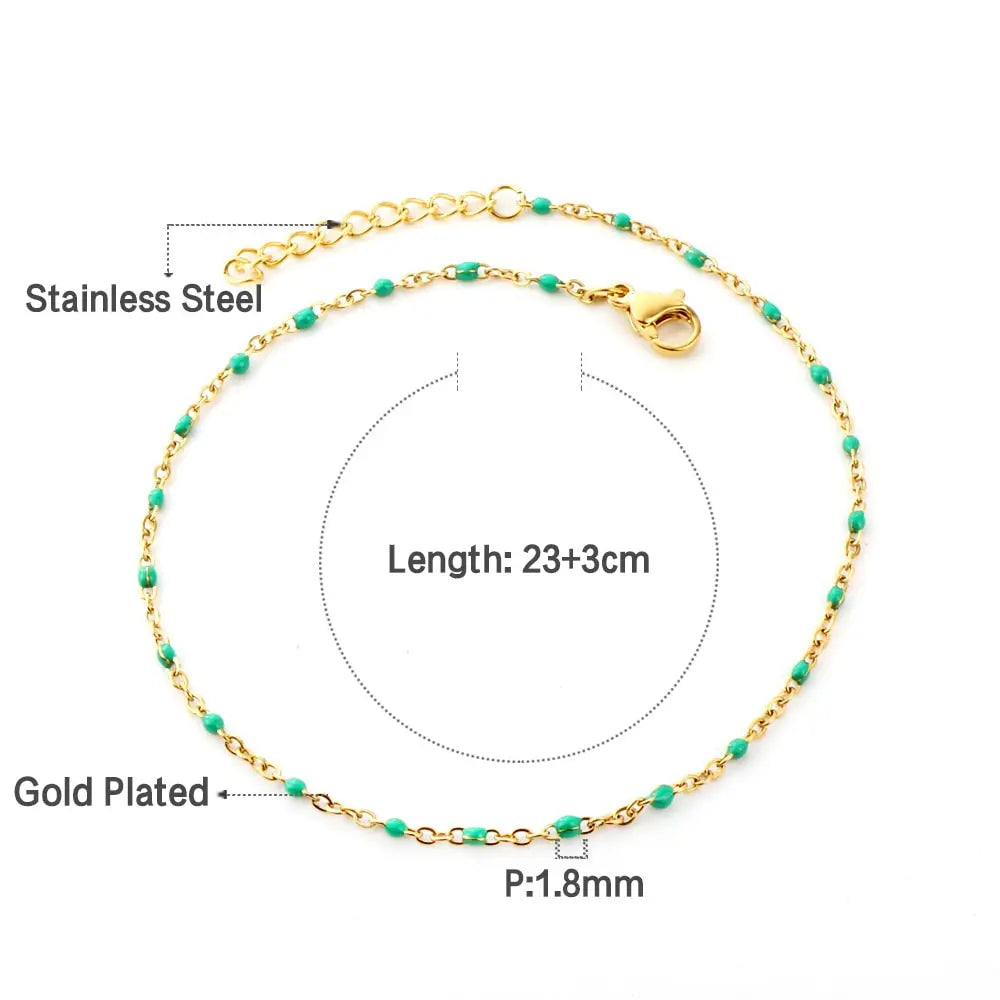
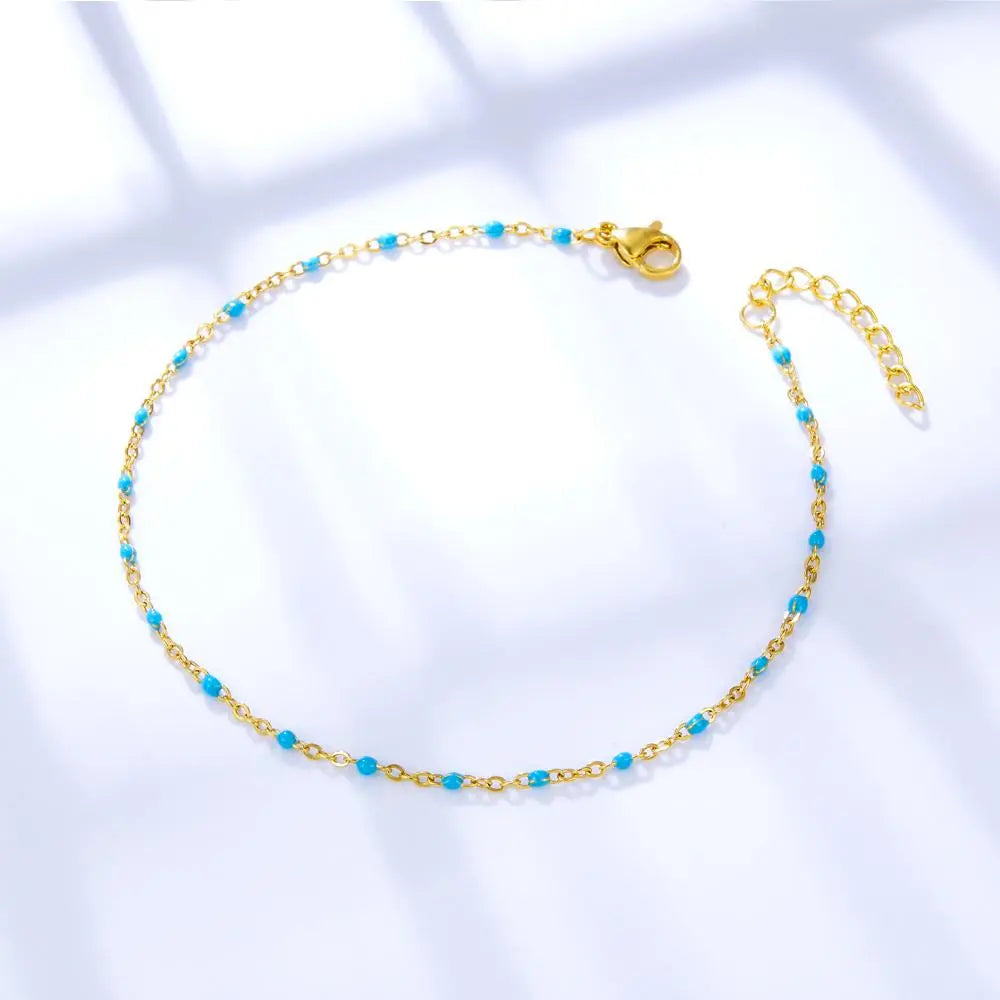
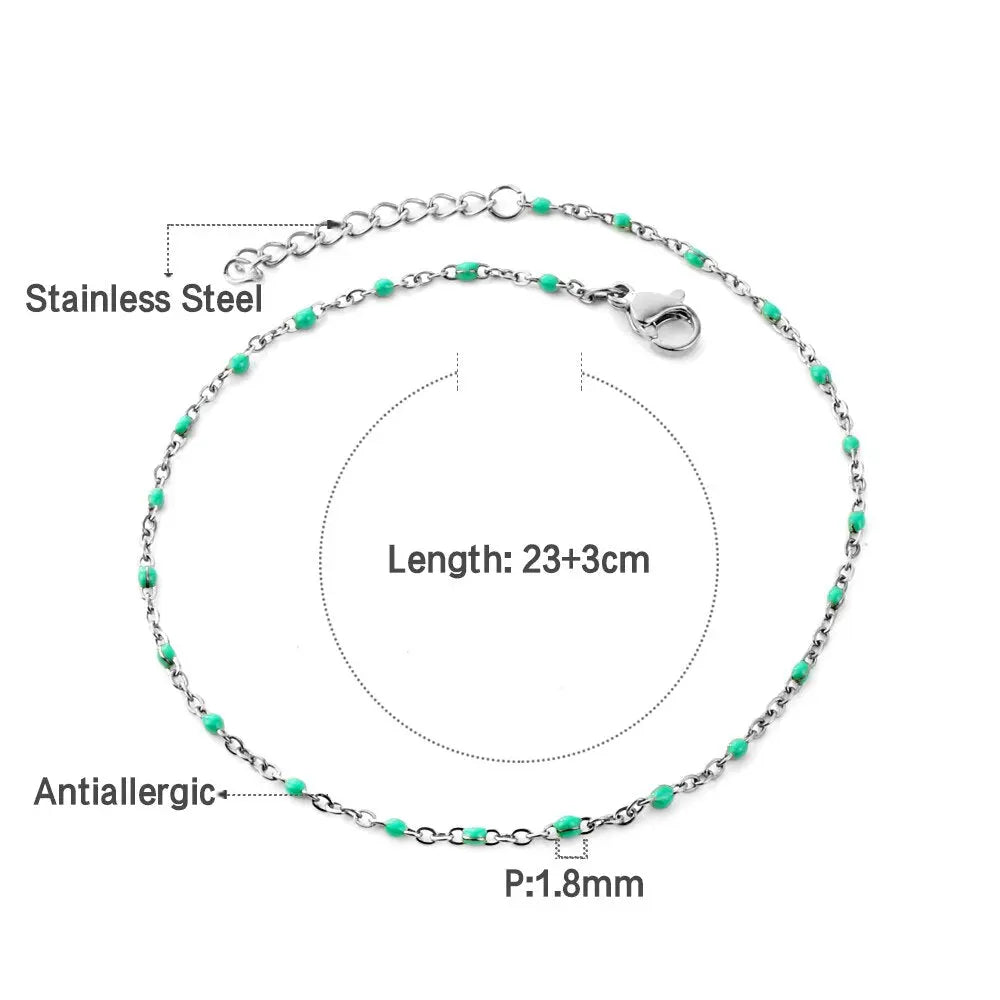
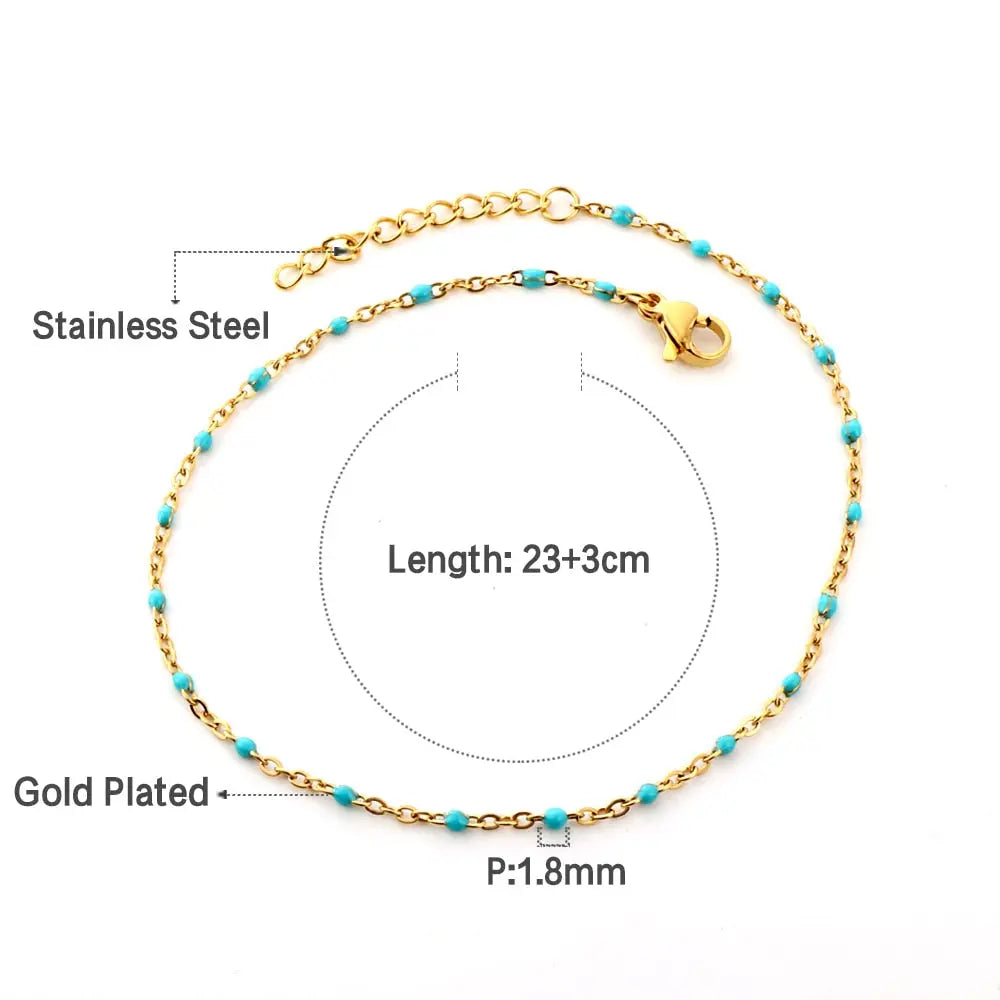
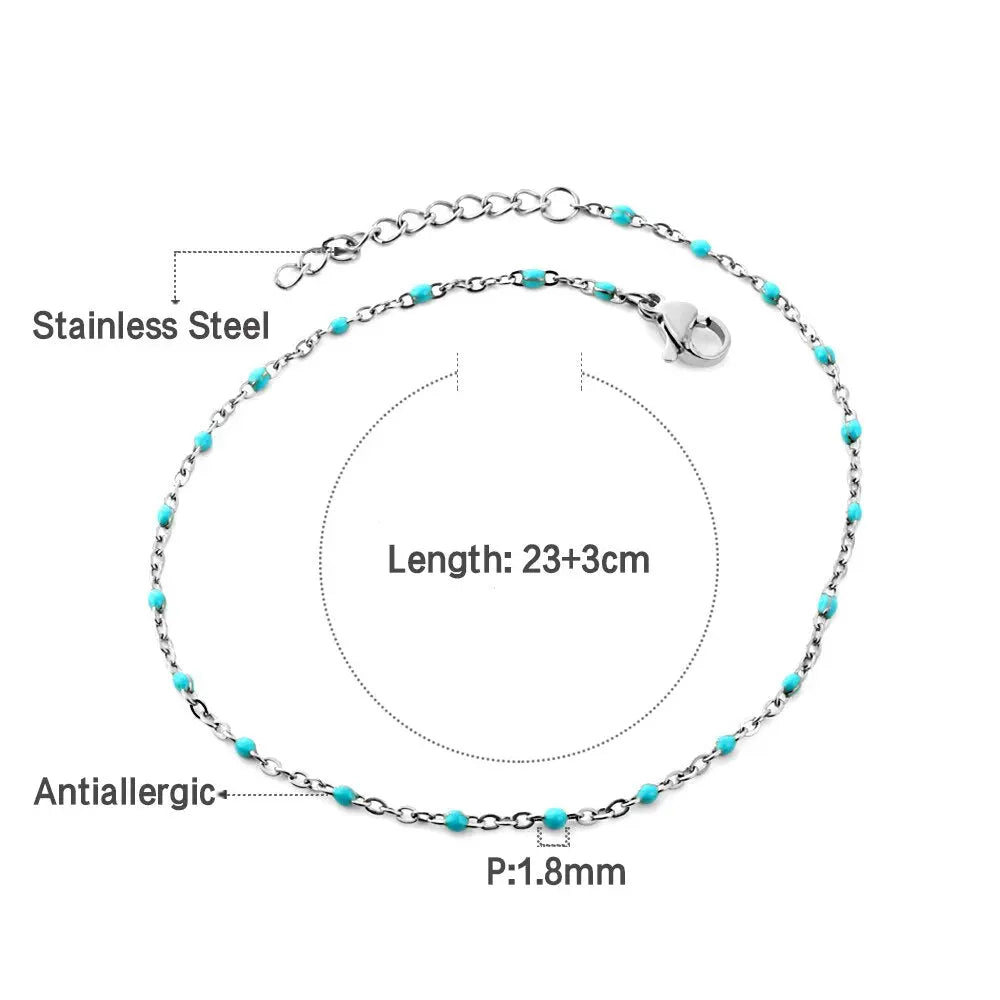
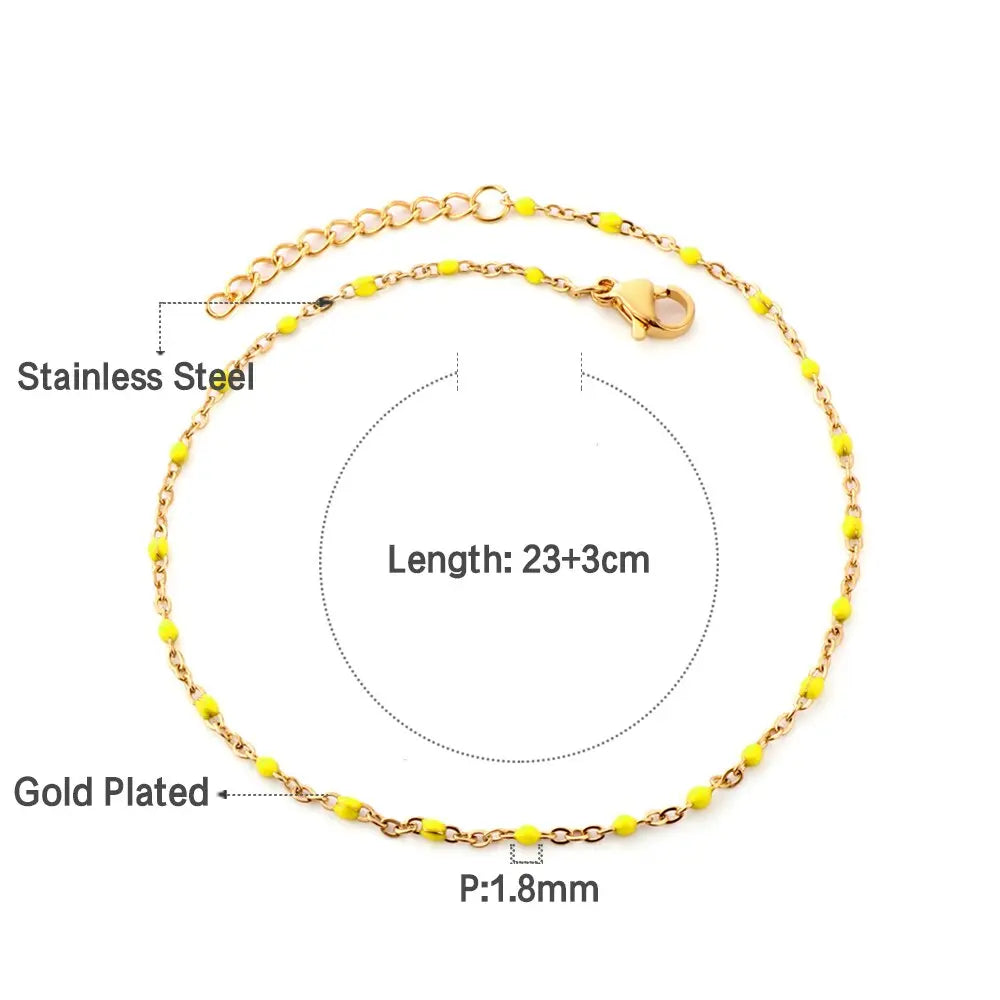
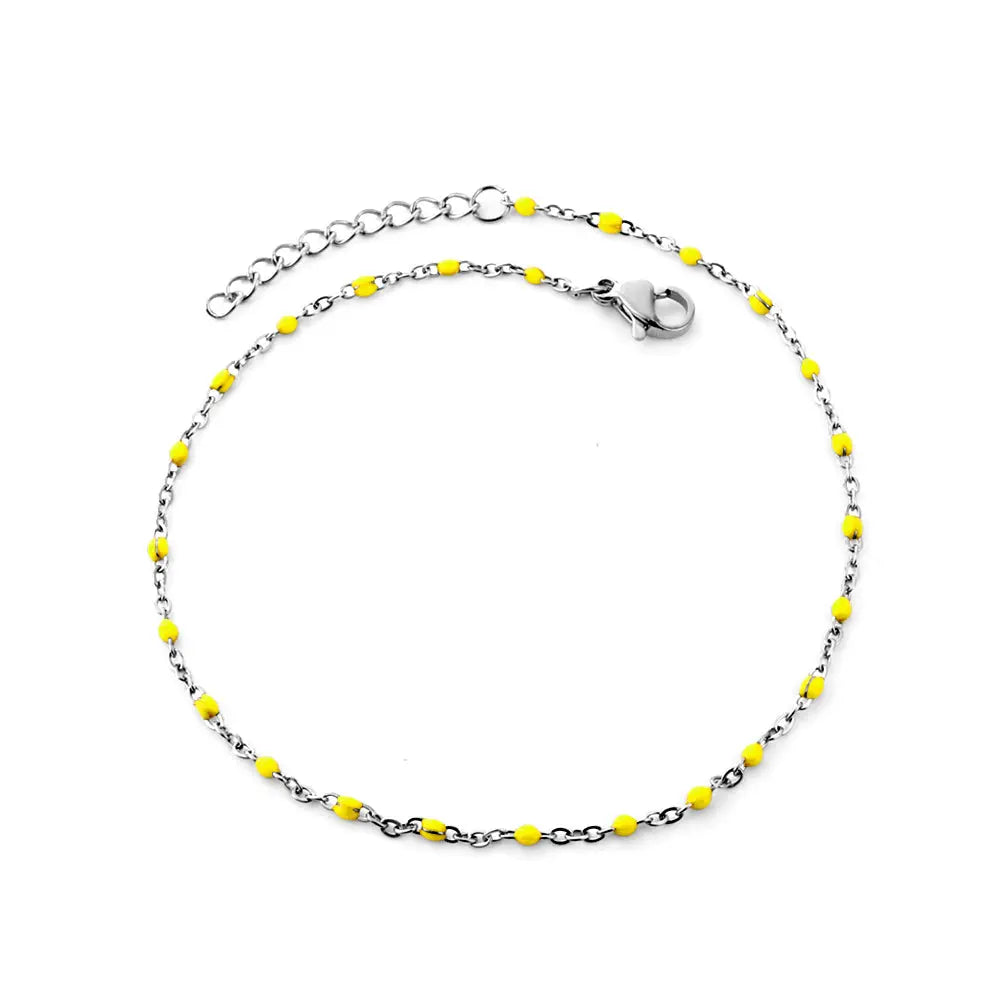
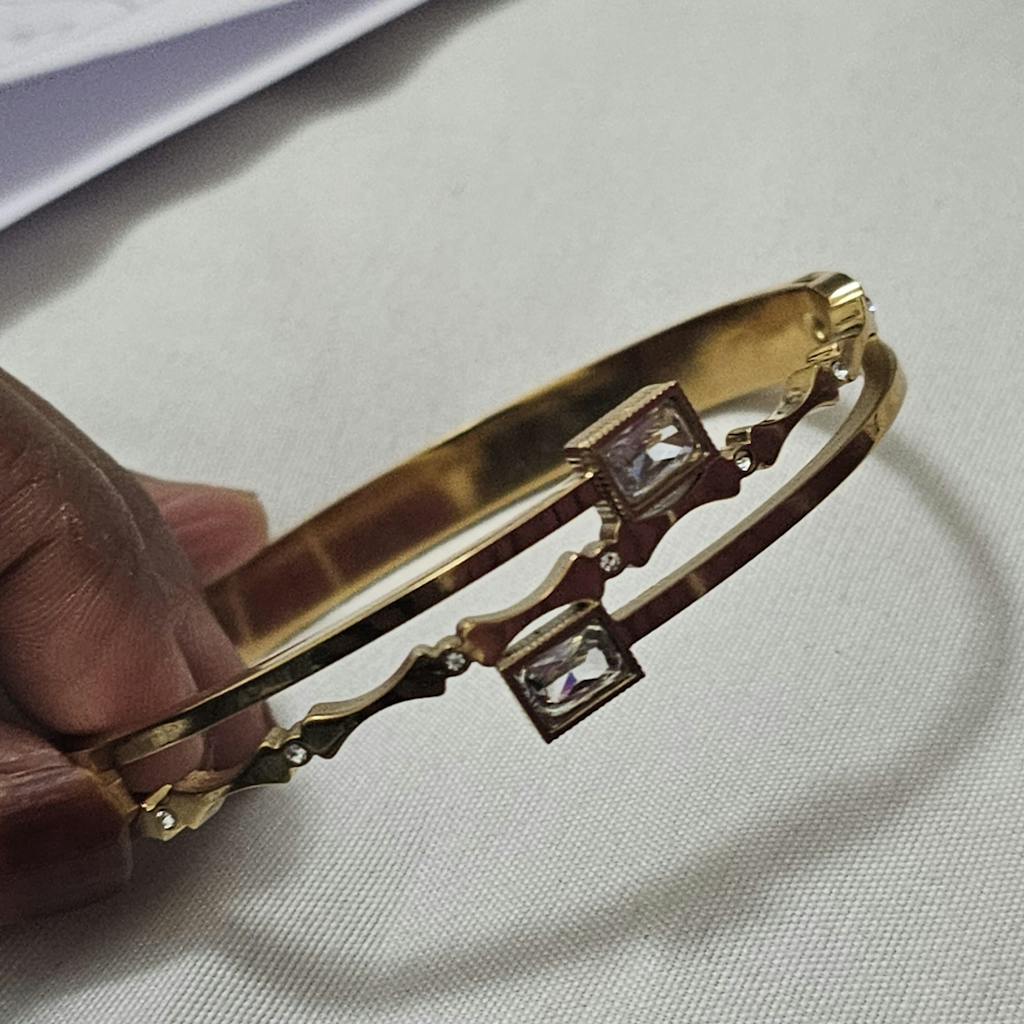
Common items that may expose you to nickel include:Body piercing jewelry and other accessories, including rings, bracelets, necklaces, and jewelry clasps.
Some extremely sensitive individuals may be affected by nickel-containing foods. Certain foods have high nickel content, including soy products, peas, canned foods, cocoa powder, clams, and cashews.
According to statistics, approximately 10-20% of the global population has varying degrees of allergic reactions to nickel, with a higher proportion among women. Nickel allergy typically presents as skin redness, itching, and rashes; in severe cases, blisters, skin breakdown, or even infections may occur.
Stainless Steel Jewelry: Why Doesn’t It Cause Nickel Allergy?
The Triumph of Materials Science
The key reason lies in the "passive film" of stainless steel:
- The Magic of Chromium: When chromium in stainless steel comes into contact with oxygen, it forms an extremely thin yet highly dense chromium oxide protective layer on the surface (only 1-3 nanometers thick).
- Self-healing Ability: Even if the surface is slightly scratched, this protective layer can quickly self-repair upon contact with air.
- Nickel is "Locked In": While some stainless steels do contain small amounts of nickel (e.g., 316L contains 8-12%), the chromium oxide protective layer effectively "locks" the nickel inside the material, preventing direct contact with the skin.
Certification Standards Guarantee
High-quality stainless steel jewelry typically meets the following standards:
- EU Nickel Directive: Requires that the nickel release rate of products in prolonged contact with skin shall not exceed 0.5 μg/cm²/week.
- ASTM Standard: The American Society for Testing and Materials (ASTM) has strict specifications for medical-grade stainless steel.
- Many high-quality stainless steel jewelry pieces have a nickel release rate of only 0.1-0.3 μg/cm²/week, well below the safety threshold.
Why Choose Stainless Steel Jewelry? 7 Key Reasons
1.Ultimate Hypoallergenic, A Blessing for Sensitive Skin
Stainless steel jewelry is one of the materials with the lowest known allergy rates, making it particularly suitable for people with sensitive skin, those who have undergone surgery, or individuals with body piercings.
2.Exceptional Durability
- Corrosion-Resistant: Resists Sweat, Cosmetics, Seawater, and Daily Chemicals
- Fade-Resistant: Won’t fade over time like gold-plated or silver jewelry
- High Strength: Resists deformation and breakage, maintaining design integrity
3.Easy to Maintain
Cleanable with only mild soapy water and a soft cloth—no special polish or complicated maintenance required.
4.Eco-Friendly & Sustainable
- 100% recyclable, reducing the need for mineral extraction
- Relatively eco-friendly production process, aligning with modern sustainable fashion concepts
5.Fashion Diversity
Advanced technology enables stainless steel to feature various surface finishes:
6.Exceptional Value for Money
Compared to precious metals like gold and platinum, stainless steel jewelry offers similar durability and aesthetics at a much more affordable price.
7.Suitable for Daily Wear
Whether you're exercising, swimming, working, or sleeping, stainless steel jewelry can be worn 24/7 with no need for frequent removal.
How to Choose High-Quality Stainless Steel Jewelry?
Tip: If you're already nickel-allergic
Before purchasing any jewelry, you can first test-wear a small area on the inner wrist for 24-48 hours.
Choose products with clear material specifications, avoiding vague descriptions like "alloy" or "metal".
Consider coating the contact surfaces of questionable jewelry with a clear nail polish layer (a temporary solution).
Prioritize stainless steel, titanium, pure gold (18K or higher), or platinum jewelry.
Stainless steel jewelry not only solves the wearing troubles of people with allergies but also becomes a wise choice for modern jewelry with its durable, eco-friendly, and fashionable features. It breaks the stereotype that "low price = low quality," proving that through materials science and innovative design, we can possess healthy, aesthetically pleasing, and sustainable fashion accessories simultaneously.
Cherish your health while pursuing individuality—stainless steel jewelry is the perfect embodiment of this concept. Next time you're choosing jewelry, why not give this "silver hero" a chance to add radiance to your daily life without any worries?